
Turks and Caicos has some incredible beaches, and it’s easy to spend your entire vacation enjoying them. But there’s a lot more to these islands than white sand and turquoise water.
You can kayak around the tiny islands of Chalk Sound, see endangered rock iguanas on Little Water Cay, or explore caves on Middle Caicos. Head to North Caicos and you might spot flamingos in the salt ponds. Visit Grand Turk during the winter months, and you could even see humpback whales passing by.
The best part? You don’t need to be an experienced adventurer to enjoy most of these places. Some are just a short drive or boat ride away, while others are worth setting aside a full day for.
Here are seven natural wonders of Turks and Caicos, with a few local tips to help you plan your visit.
7 Natural Wonders Worth Exploring in Turks and Caicos
1. Chalk Sound: The Water Really Is That Blue
Getting there: Southwestern Providenciales, about 15 minutes by car from the airport.
Good for: Kayaking, paddleboarding, photography and scenic views.
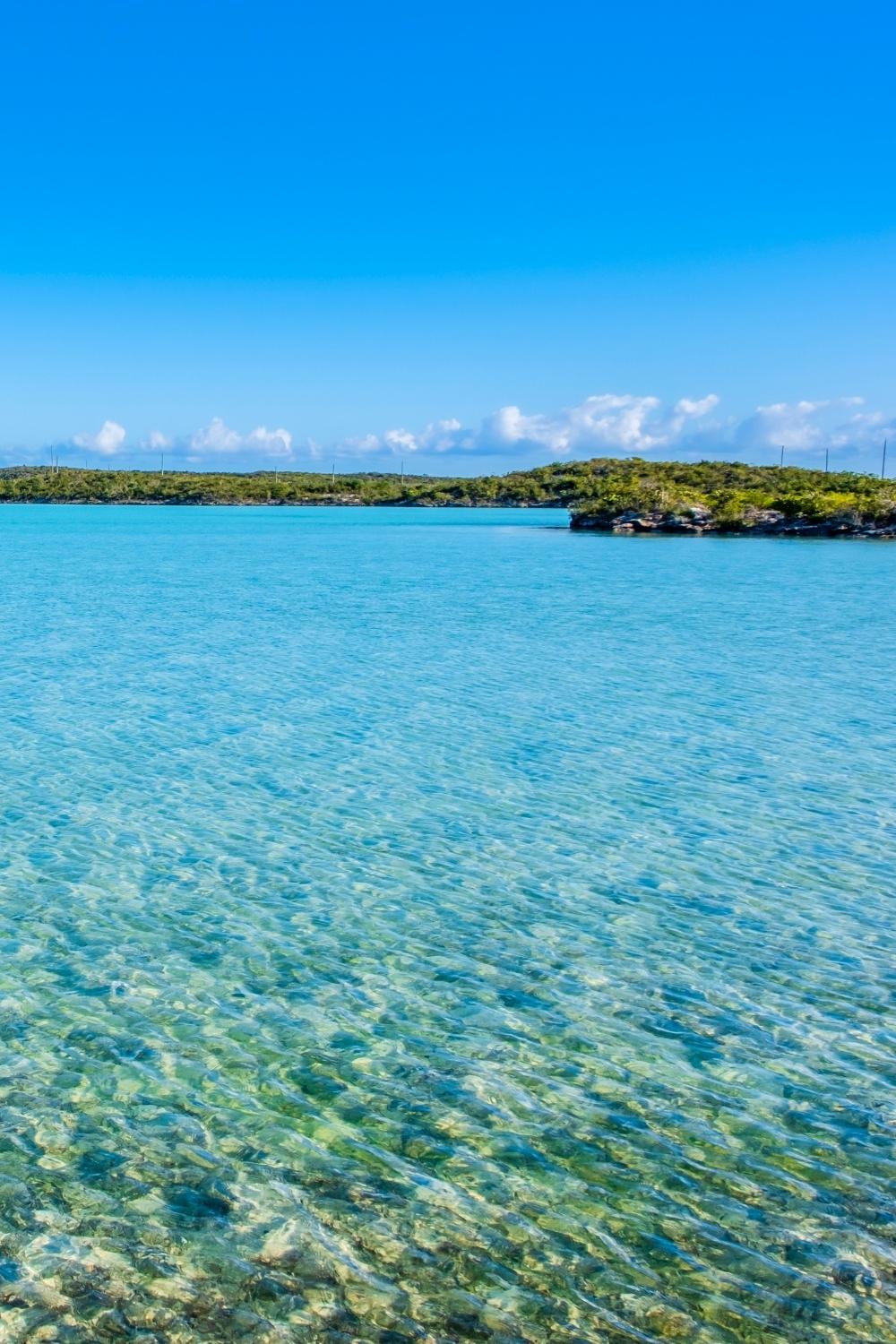
If you’ve seen photos of Chalk Sound, you might think someone turned up the saturation. But the water really is that blue, especially on a sunny day.
Chalk Sound is a huge, shallow lagoon dotted with hundreds of tiny limestone islands. The pale bottom helps give the water its bright turquoise color, and the scenery is completely different from the beaches around Grace Bay.
You can follow Chalk Sound Drive for views over the lagoon, but kayaking or paddleboarding gives you a much closer look. The sheltered water is a lovely place to explore, and you can paddle around the little islands at a comfortable pace.
If you’d rather admire the scenery over lunch, Las Brisas restaurant overlooks the lagoon and is a popular stop.
Our tip: Visit on a sunny day, preferably around midday, when the lagoon’s colors are at their brightest. Public access and parking are limited, so arrange kayak rentals or tours in advance.
2. Little Water Cay: Meet the Rock Iguanas
Getting there: A short boat ride from the Leeward area of Providenciales.
Good for: Families, wildlife watching and half-day boat excursions.
There’s a small island just off Providenciales where the iguanas are the main attraction.
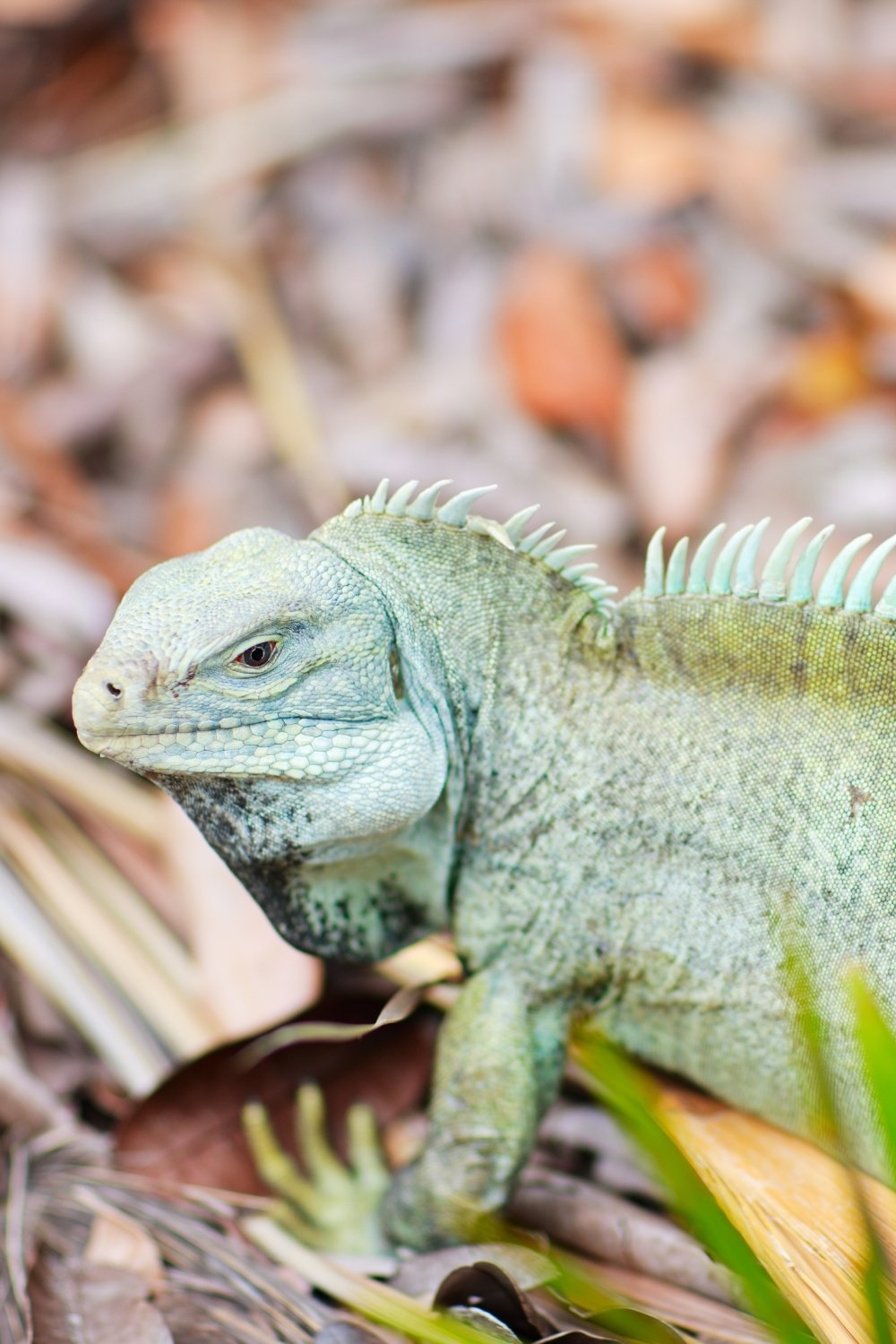
Little Water Cay, also known as Iguana Island, is home to the endangered Turks and Caicos rock iguana, a species found naturally only in these islands.
Wooden boardwalks lead through the protected island, making it easy to observe the iguanas without disturbing their habitat.
You’ll probably spot a few resting in the sunshine or wandering between the bushes. Some seem quite comfortable around visitors, although they’re still wild animals and should never be touched or fed.
The island is managed by the Turks and Caicos National Trust, and visits are commonly included in boat tours leaving Providenciales.
Our tip: Look for an excursion that combines Little Water Cay with Half Moon Bay or a snorkeling stop. Remember to stay on the boardwalks, especially near the iguanas’ nesting areas.
3. Humpback Whales: The Winter Visitors
Where: Mainly around Grand Turk and Salt Cay.
When: January through March, with occasional sightings into April.
Good for: Wildlife watching, photography and winter visits.
If you’re visiting Turks and Caicos during the winter months, you might be lucky enough to see humpback whales in the wild.
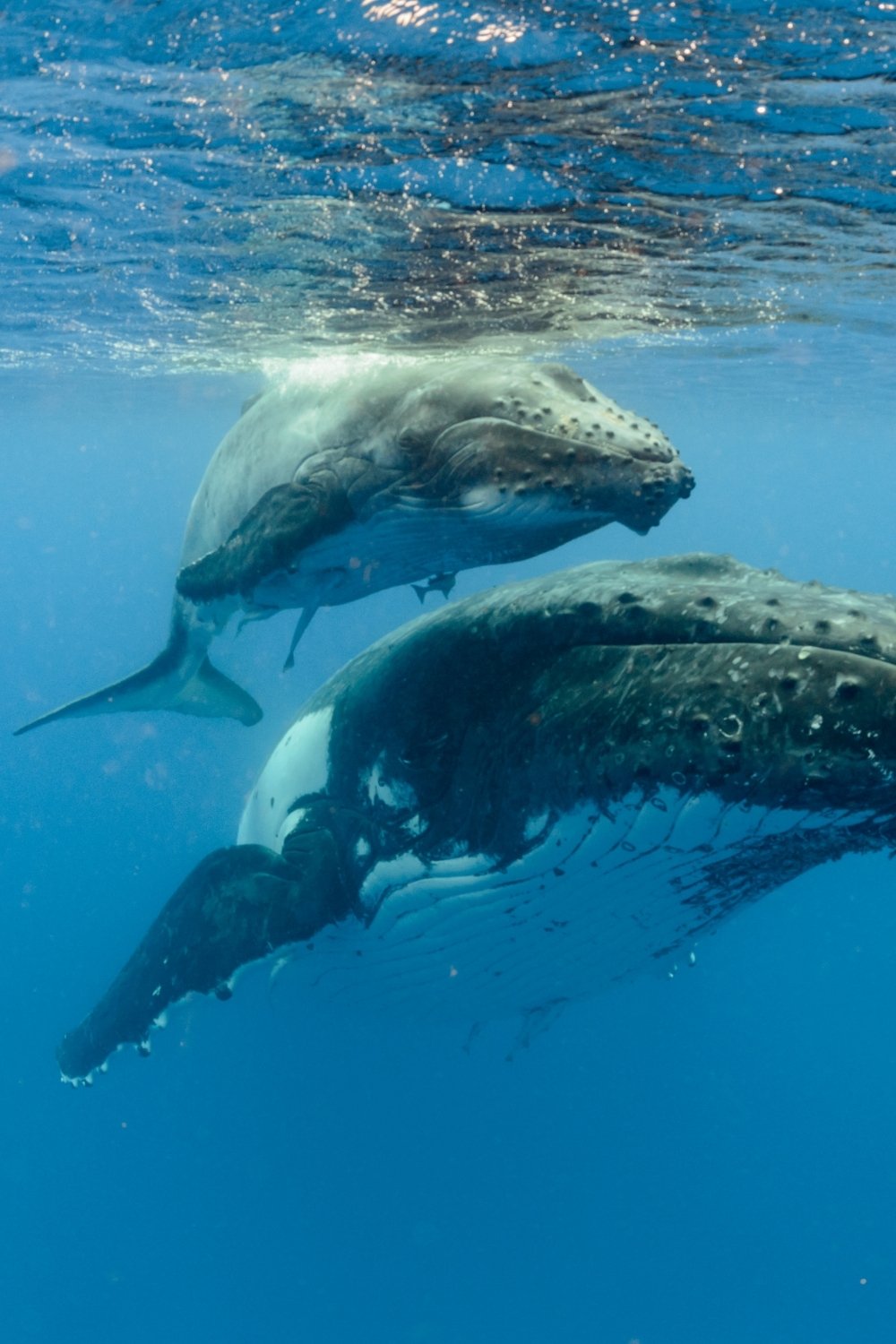
Every year, these enormous animals travel south into warmer Caribbean waters to mate and give birth. Many pass through the Turks Island Passage, the deep channel near Grand Turk and Salt Cay.
On a guided boat excursion, you might see whales surfacing, lifting their tails or swimming with their calves. Occasionally, a whale will leap almost completely out of the water, although catching one of those moments takes some luck.
You don’t always need a boat, either. During peak season, whales can sometimes be spotted from shore on Salt Cay.
Our tip: February and early March are good months to consider. If whale watching is a priority, allow more than one possible tour day in case weather affects departures. Sightings are never guaranteed.
4. Coral Reefs and the Wall: Life Below the Surface
Where: Providenciales, Grand Turk, West Caicos and French Cay.
Good for: Snorkeling, scuba diving and marine wildlife.
Some of the most interesting wildlife in Turks and Caicos lives just beneath the water.
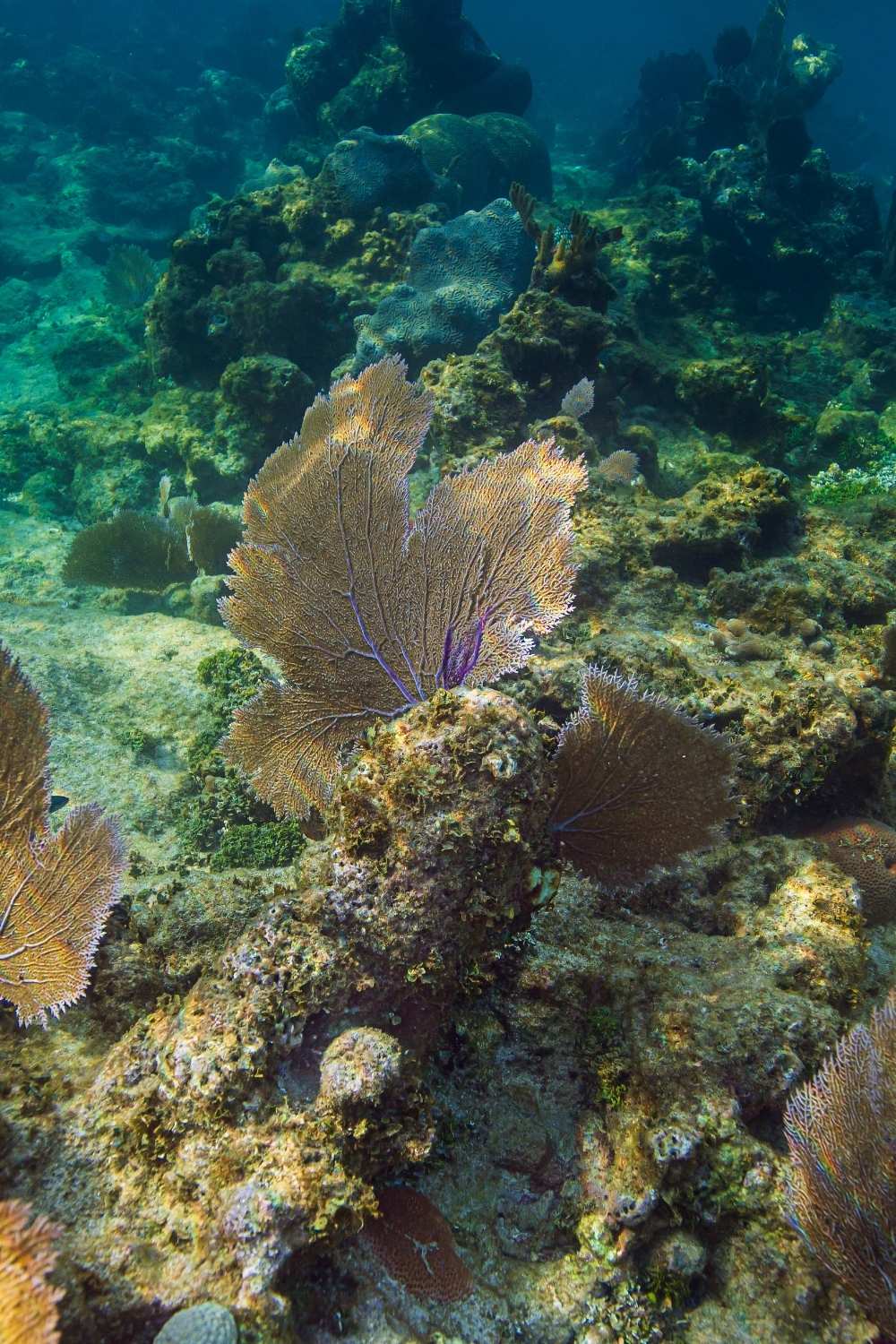
The islands are surrounded by an extensive coral reef system, home to colorful reef fish, turtles, rays, sharks and beautiful coral formations.
One of the most impressive features is the underwater wall. At several dive sites, the relatively shallow seabed suddenly drops into much deeper water.
Grand Turk is especially famous for wall diving, with many dive sites only a short boat ride offshore. West Caicos is another favorite, while French Cay is known for its shark sightings.
But you don’t need to be a scuba diver to enjoy the marine life.
On Providenciales, Bight Reef, also called Coral Gardens, is a good place to start snorkeling. You can enter the water directly from the beach and see reef fish around the marked coral area. Smith’s Reef is another popular option for confident snorkelers.
Our tip: Choose a calm day for shore snorkeling, and consider a guided excursion if you’re unfamiliar with the area. Never touch or stand on coral, and give turtles and other marine animals plenty of space.
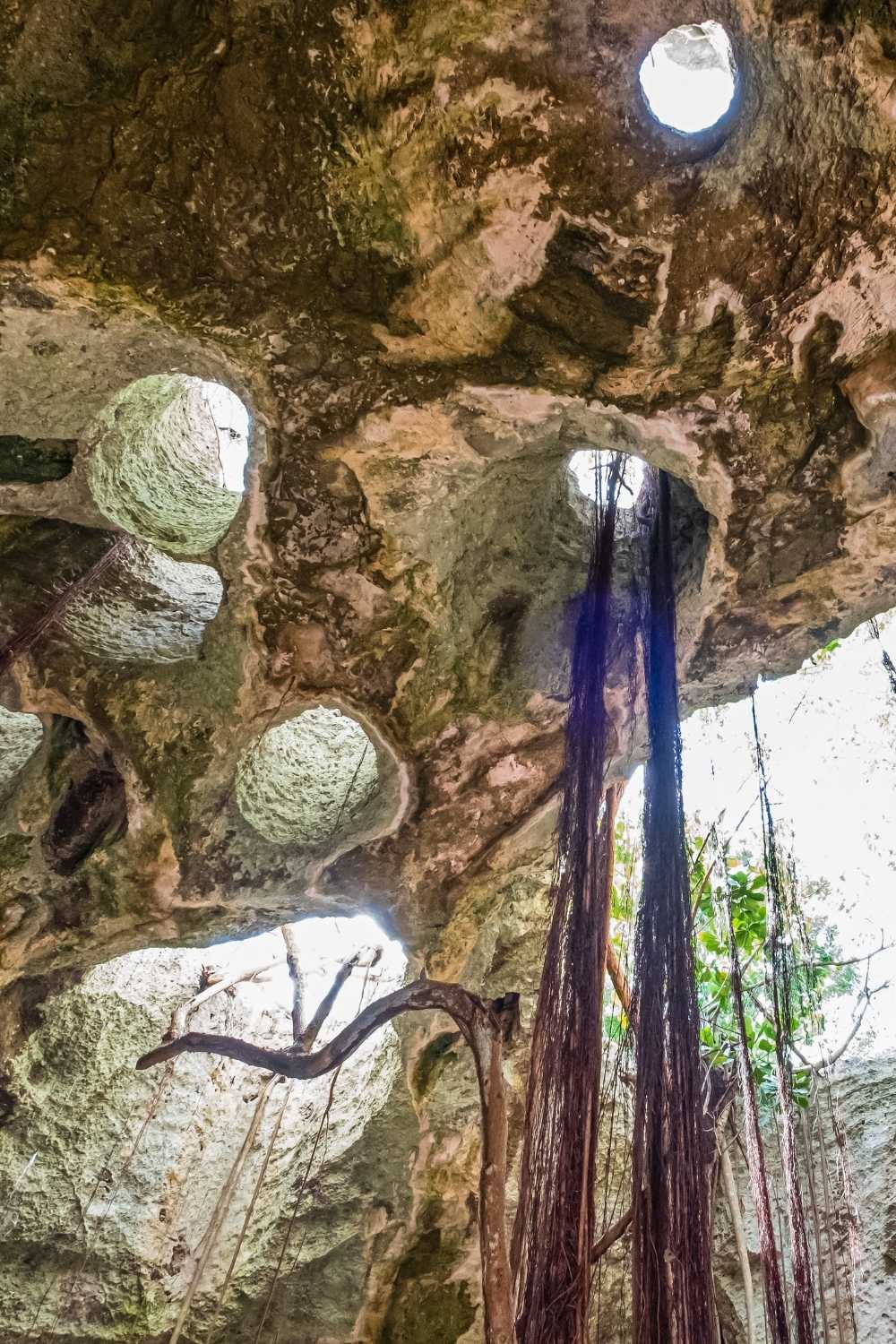
5. Middle Caicos: Caves, Cliffs and a Giant Blue Hole
Getting there: Ferry from Providenciales to North Caicos, then drive across the causeway to Middle Caicos.
Good for: Caves, scenic drives, hiking and photography.
Middle Caicos is worth a full day if you want to see a quieter and less-developed side of Turks and Caicos.
One of its main attractions is Conch Bar Caves, an extensive limestone cave system with large chambers, unusual rock formations and underground pools.
The caves have a long history. Indigenous Lucayan people used them centuries ago, and several bat species still live inside. A guided visit gives you a better understanding of the caves and their connection to the islands’ past.
Middle Caicos is also known for the Ocean Hole, an enormous underwater sinkhole estimated to measure around 2,000 feet across. It lies offshore in the Caicos Banks, so it’s not somewhere you can visit during a regular driving tour. Its full size is best appreciated in aerial photographs.
For something you can explore on foot, make time for Mudjin Harbour.
Here, limestone cliffs overlook a wide beach, with Dragon Cay sitting just offshore. It’s one of the most dramatic coastal views in the country.
Our tip: Combine Conch Bar Caves and Mudjin Harbour in one day. Arrange a guide for the caves, bring sturdy shoes, and confirm ferry schedules before leaving Providenciales.
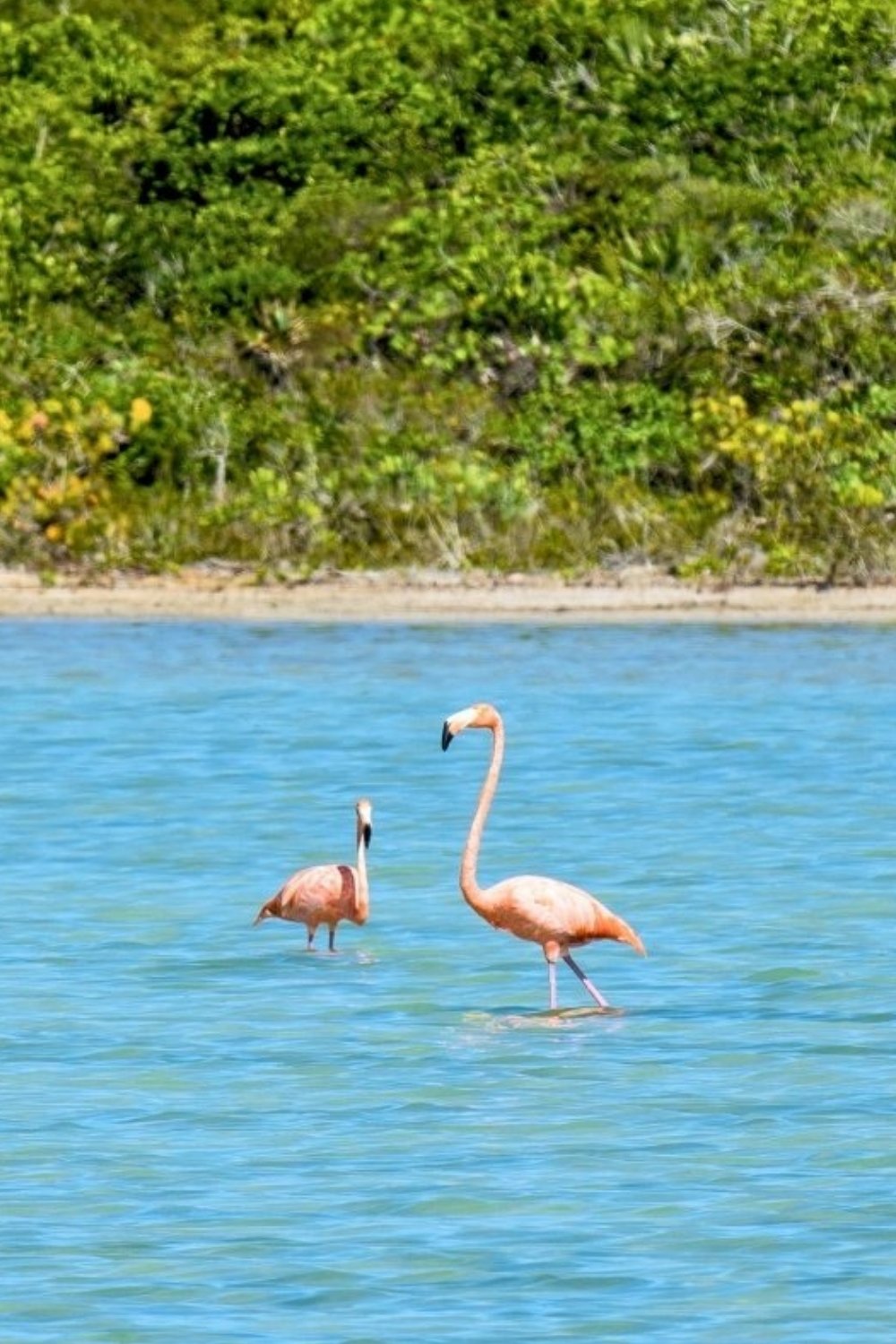
6. Flamingos: Look for Pink in the Salt Ponds
Where: North Caicos, South Caicos and protected wetlands across the islands.
Good for: Birdwatching, photography and nature lovers.
You don’t have to visit a zoo to see flamingos in Turks and Caicos. These pink birds live in the wild around the islands, especially in shallow salt ponds and wetlands.
One of the easiest places to look for them is Flamingo Pond Overlook on North Caicos, near Whitby.
There’s a viewing platform overlooking the pond, but don’t expect the birds to be standing nearby. They often gather far out in the water, where they can look like tiny pink dots in the distance.
South Caicos is another good place to spot flamingos. Its historic salt ponds attract a variety of birds, including herons, egrets and other wading species.
You might even see flamingos around some of the wetlands on Providenciales, although sightings are unpredictable.
Our tip: Bring binoculars. If you’re already planning a trip to North Caicos, Flamingo Pond Overlook is an easy stop to include along the way. Keep your distance and never enter restricted wetlands to get closer to the birds.
7. JoJo: The Islands’ Famous Dolphin
Where: Waters around Providenciales, including Grace Bay and Leeward.
Good for: Marine wildlife enthusiasts and local island stories.
Turks and Caicos has a rather unusual local celebrity. His name is JoJo, and he’s a wild Atlantic bottlenose dolphin.
JoJo became famous for approaching swimmers and boats on his own terms. Unlike dolphins kept in captivity, he was free to decide when he wanted to interact with people.
His behavior attracted international attention, and in 1989, the Turks and Caicos government declared him a National Treasure.
JoJo’s story has since become closely connected with marine conservation and the protection of wild dolphins.
You might hear about him during a boat excursion around Providenciales, but there’s no way to guarantee an encounter with JoJo himself.
Other dolphins also live in these waters, so you may be lucky enough to see them during a regular boat trip.
Our tip: Keep an eye on the water during boat excursions, but let dolphins approach only if they choose to. Never chase, touch or feed them.
A Few Things to Know Before You Go
Not everything is on Providenciales. Chalk Sound and Little Water Cay are easy to arrange while staying on Provo, but Middle Caicos, Grand Turk and Salt Cay require additional travel.
Some activities are seasonal. Humpback whales visit during the winter months, and sightings depend on migration patterns and weather.
Book guides and tours when needed. Cave visits, boat excursions and some wildlife experiences require advance arrangements.
Bring water, sun protection and suitable footwear. Facilities are limited in many natural areas, and limestone rocks can be sharp.
Respect the wildlife. Keep your distance, never feed wild animals and stay on designated paths in protected areas.
Protect the coral reefs. Avoid touching coral, use sun-protective clothing and choose reef-conscious sunscreen when spending time in the water.
Planning Your Nature Trip
You don’t need to visit all seven places during one vacation. It’s easier to enjoy them if you plan around the islands where you’re staying.
Providenciales: Chalk Sound, Little Water Cay and shore snorkeling can all be arranged during a stay on Provo.
North and Middle Caicos: Set aside a full day for the ferry, caves, coastal scenery and a possible flamingo sighting.
Grand Turk and Salt Cay: Consider visiting during whale season if seeing humpback whales is a priority. Grand Turk also offers excellent diving opportunities.
South Caicos: A good choice for birdwatching, quiet surroundings and discovering another side of the islands.
Leave a little room in your plans for weather and unexpected stops. Some of the nicest places in Turks and Caicos are worth enjoying without a strict schedule.
Getting to Turks and Caicos
Most international visitors arrive through Providenciales International Airport (PLS).
Grand Turk is served by JAGS McCartney International Airport (GDT), while South Caicos has its own airport at XSC.
Founded in Turks and Caicos, interCaribbean Airways connects Providenciales with Grand Turk and South Caicos, as well as destinations across the wider Caribbean.
Planning to explore more than one island? Take a look at our route map and check available flights before arranging your trip.