
There’s a town in Martinique that was almost completely destroyed by a volcano. A beach where sea turtles sometimes swim just a few meters offshore. And a botanical garden where you can walk along suspended bridges high among the trees.
Not quite what you’d expect from a Caribbean beach holiday.
Martinique has its share of beautiful beaches, of course. But spend a few days exploring and you’ll discover that the island has much more to offer, including French-Creole food, fishing villages, historic rum estates, and some surprisingly wild scenery.
The only problem is deciding where to begin. Here are ten places worth visiting on your first trip, with a few practical details to help you plan your days.
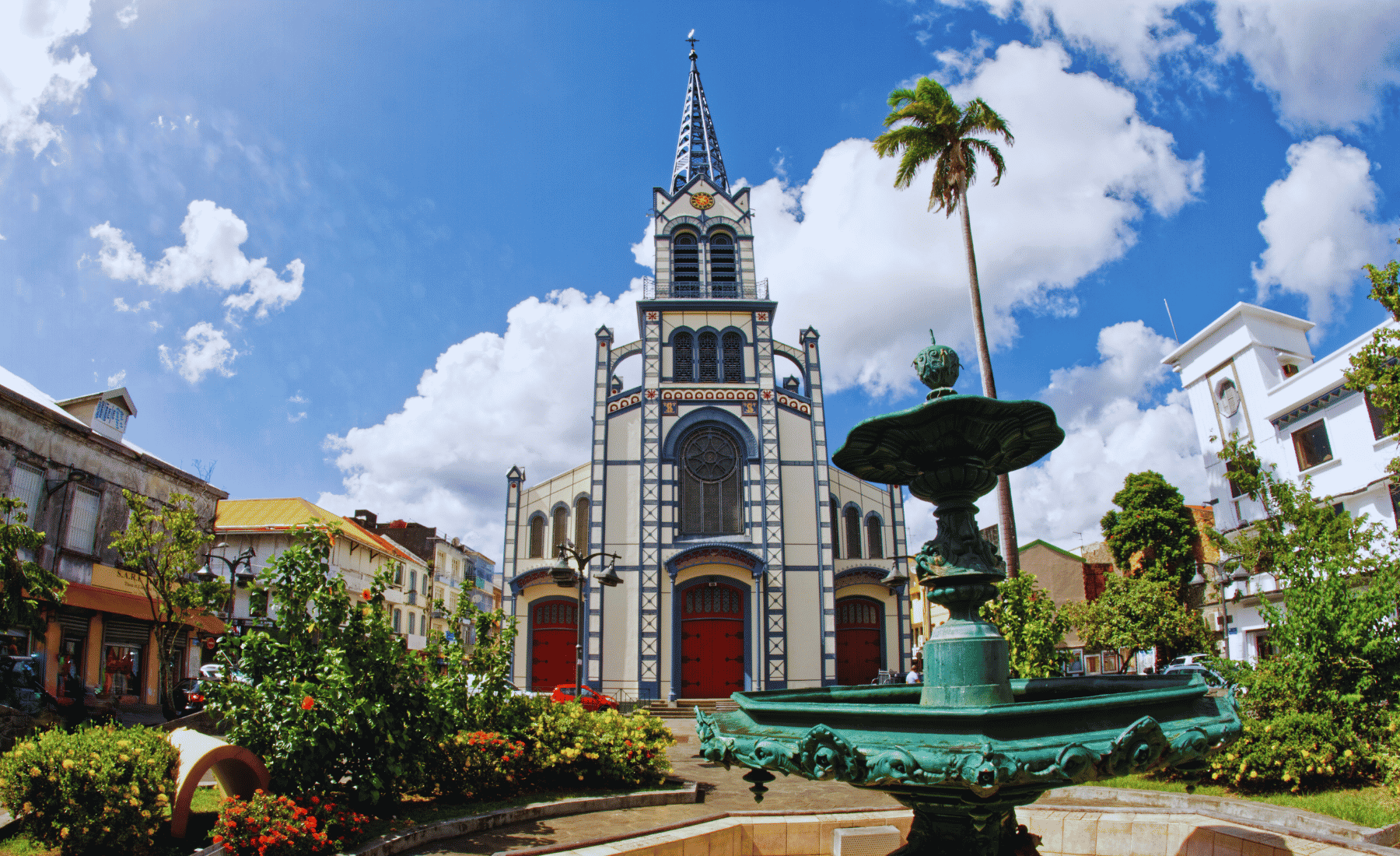
1. Explore Fort-de-France and Its Famous Market
What do spices, a French library, and fried cod fritters have in common? You can find all three within a few streets of each other in Fort-de-France.
Martinique’s capital is busy, sometimes noisy, and not always easy to navigate by car. But park near the center and spend a morning walking around. There’s more to see than you might expect.
Start at the Grand Marché, the city’s covered market. You’ll find stalls selling tropical fruit, colorful madras fabrics, spices, and bottles of homemade rum punch.
A short walk away stands the Bibliothèque Schœlcher. With its colorful dome and intricate metalwork, this 19th-century library looks quite different from the surrounding buildings. Saint-Louis Cathedral and La Savane park are also nearby.
Before leaving, stop for some accras de morue, little fried cod fritters that are particularly good when served hot.
Good to know: The market is generally livelier in the morning. Allow two or three hours to explore the center, and leave your car in a parking garage rather than trying to drive between attractions.
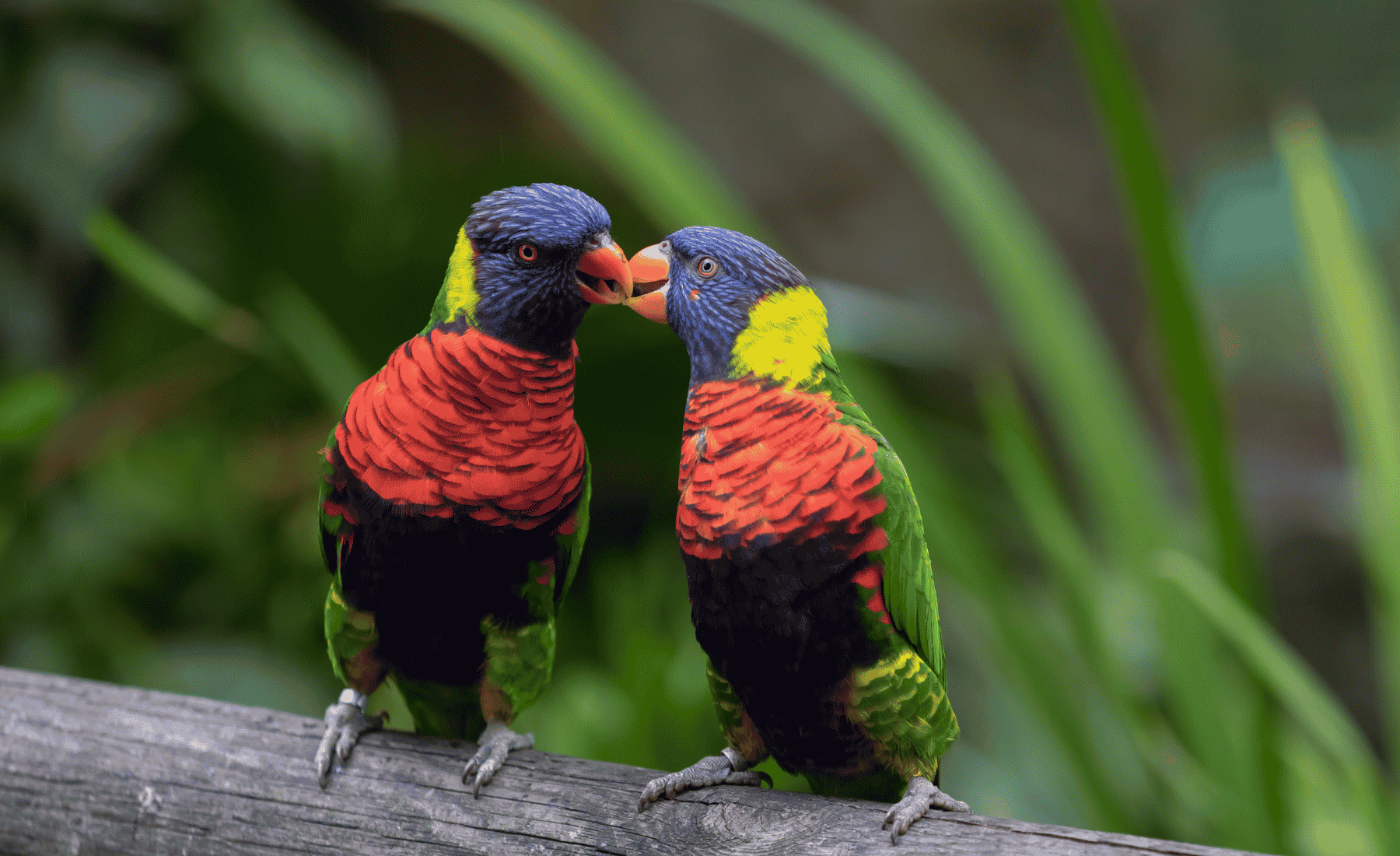
2. Walk Above the Trees at Jardin de Balata
Walking through a tropical garden is one thing. Looking down on it while crossing a narrow suspended bridge is another.
That’s what makes Jardin de Balata, in the hills above Fort-de-France, a little different.
The garden is home to an impressive collection of tropical plants. But the real attraction is overhead.
A series of suspended walkways takes visitors between the trees, offering views over the gardens and surrounding greenery. You don’t need to be an experienced hiker to enjoy them, although anyone uncomfortable with heights might prefer to stay on the ground.
The garden is an easy half-day outing and a good introduction to Martinique’s tropical vegetation.
Arrive early if you can. The bridges are more enjoyable without a queue behind you, and the garden paths can become slippery after rain.
3. Have Lunch by the Water in Les Anses-d’Arlet
There’s a small church in Les Anses-d’Arlet that seems perfectly positioned for photographs.
A wooden pier leads toward it across the water, with colorful buildings lining the shore and fishing boats floating nearby. It’s one of Martinique’s most recognizable views.
But don’t leave as soon as you’ve taken the picture.
Les Anses-d’Arlet is a lovely place to wander without much of a plan. Walk along the waterfront, watch the fishing boats, and find a table near the sea for lunch.
Grilled fish is a good choice, especially if it’s freshly caught.
Nearby Grande Anse d’Arlet has a longer beach and several waterfront restaurants. It’s easy to visit both places in one afternoon.
And if you happen to be there near sunset, stay a little longer. The western coastline is a good place to watch the evening light over the Caribbean Sea.
Weekdays tend to be quieter, while weekends attract more local families and beachgoers.
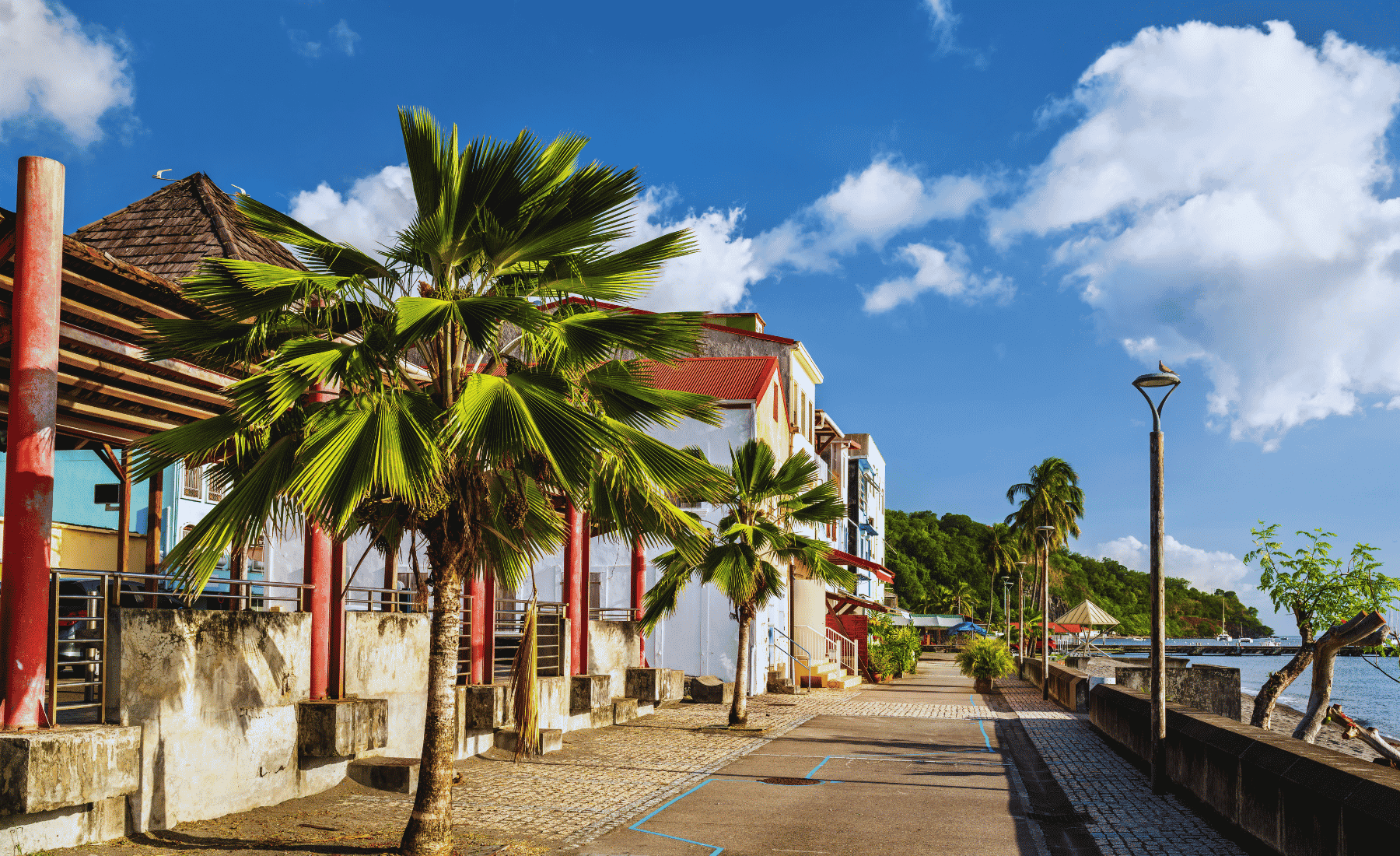
4. Visit Saint-Pierre, the Town Destroyed by Mount Pelée
On May 8, 1902, life in Saint-Pierre changed in minutes.
Mount Pelée erupted, sending a deadly pyroclastic flow toward the town. Much of Saint-Pierre was destroyed, and approximately 28,000 people lost their lives.
Before the disaster, Saint-Pierre had been Martinique’s main commercial center, with busy streets, theaters, and a thriving port. Today, it’s a much smaller town, where reminders of the eruption stand among modern houses.
You can still see the ruins of the old theater and other buildings damaged during the disaster.
Start at the Memorial to the 1902 Disaster, also known as the Frank A. Perret Museum. The photographs, recovered objects, and historical accounts help explain what happened. Once you’ve visited the museum, the ruins around town take on a different meaning.
Then look toward the mountains. Mount Pelée rises directly behind Saint-Pierre, sometimes disappearing into the clouds.
Even the nearby beaches tell part of the island’s volcanic story. Instead of pale sand, you’ll find dark volcanic shores.
Saint-Pierre deserves at least a few hours. If you have more time, the nearby Depaz rum estate is another interesting stop.
5. Go Snorkeling with Sea Turtles at Anse Dufour
At first glance, Anse Dufour looks like a small fishing beach. There are boats near the sand, a few buildings along the shore, and not much room to spread out.
But look beneath the water. Sea turtles sometimes feed in the seagrass beds just offshore, making Anse Dufour one of Martinique’s best-known snorkeling spots.
You don’t need to be an expert snorkeler to appreciate the underwater scenery when conditions are calm. However, swimming ability and sea conditions matter, and turtle sightings are never guaranteed.
If you’re lucky enough to see one, keep your distance. Let it swim and feed without following or touching it.
There’s another beach worth visiting just around the headland.
Anse Noire has black volcanic sand instead of gold, and the cove is surrounded by thick green vegetation. It’s a striking contrast to Anse Dufour.
Getting there involves a long staircase. Going down is easy. Coming back up in the afternoon heat is less enjoyable.
Both beaches have limited parking, so arriving early is a good idea, especially on weekends.
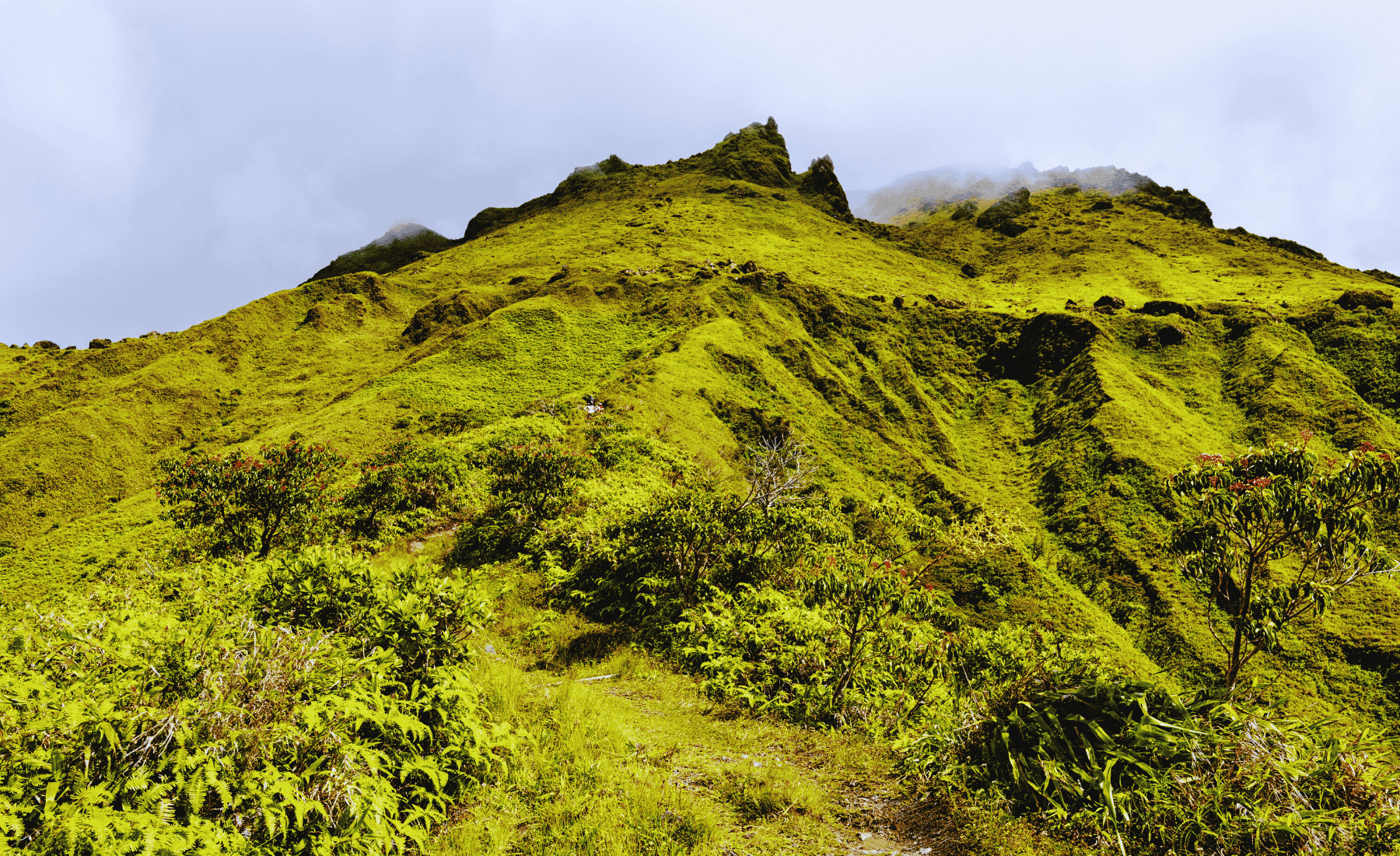
6. Hike Mount Pelée, Martinique’s Active Volcano
Mount Pelée isn’t particularly tall by mountain standards. At 1,397 meters, it might even look manageable on paper.
Don’t underestimate it. The popular Aileron trail near Morne-Rouge climbs through mountain vegetation before reaching steep, rocky slopes. The terrain becomes more exposed as you gain altitude, and the weather can change quickly.
There’s also a good chance the summit will be covered in clouds. That’s something worth remembering when planning your hike. Clear skies at your hotel don’t necessarily mean you’ll have views at the top.
On a good day, though, you can see across northern Martinique and out toward the Caribbean Sea.
The full summit hike can take around five to six hours, depending on your fitness and trail conditions. Bring proper hiking shoes, water, snacks, and rain protection. Check the weather forecast and official trail access information before setting out.
Not interested in climbing a volcano? That’s fine too. You can enjoy views of Mount Pelée while exploring Saint-Pierre and the surrounding northern countryside.
7. Spend a Lazy Afternoon at Les Salines
Some beaches are worth visiting because there’s so much to do. Les Salines is worth visiting because there isn’t.
Near Sainte-Anne, at the southern end of Martinique, this long stretch of sand has coconut palms, turquoise water, and plenty of room for a beach towel.
It’s one of the island’s most popular beaches, particularly with local families on weekends.
You might see people arriving with coolers and picnic supplies, while others settle beneath the trees for the afternoon.
There’s no need for a complicated plan. Take a walk along the shore, swim when conditions are suitable, or find somewhere shady to read a book.
Food and refreshments are often available nearby, although it’s worth bringing your own water.
Weekdays are generally quieter. And while the leaning coconut palms make excellent photographs, avoid sitting directly beneath trees carrying heavy coconuts.
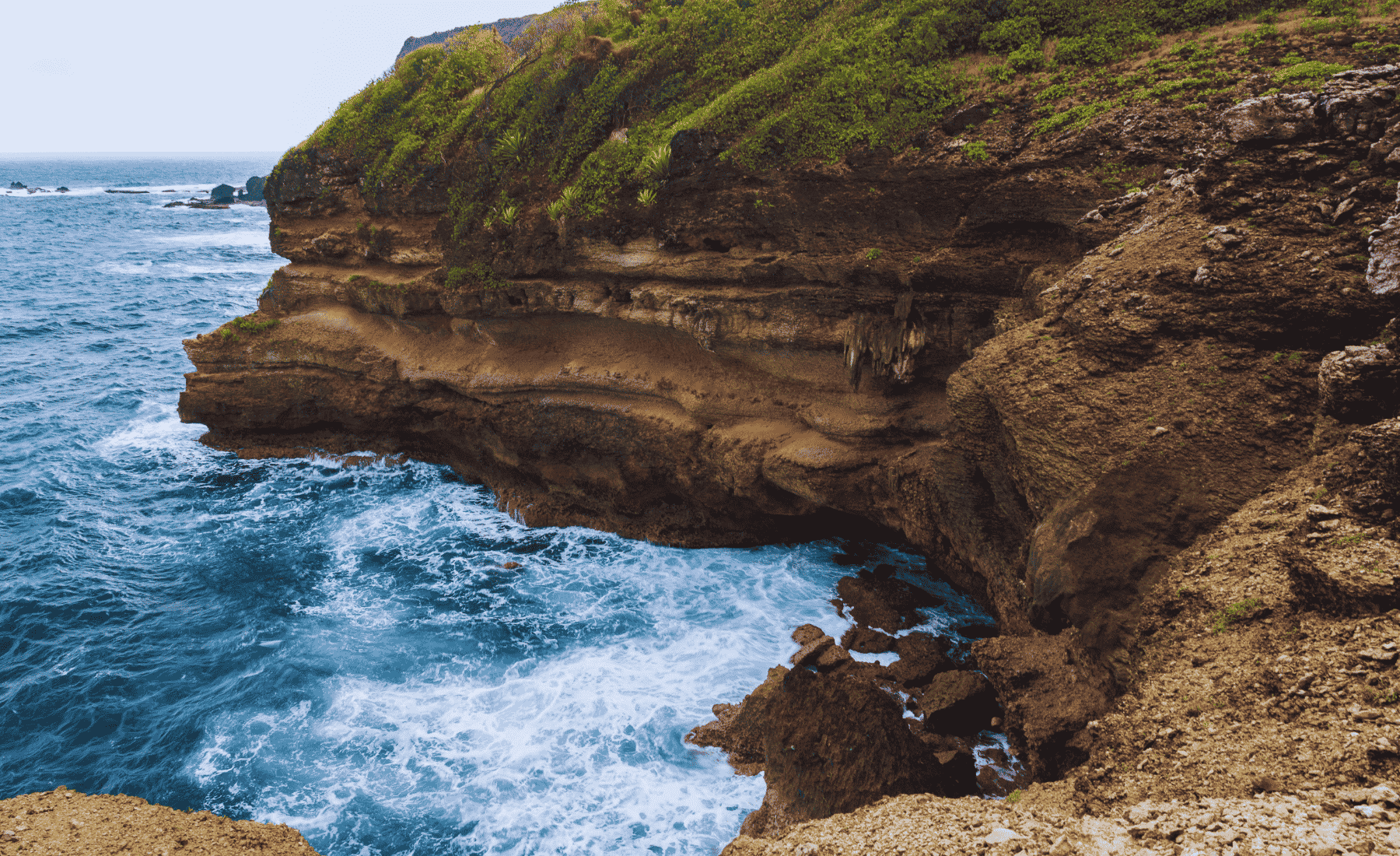
8. Explore the Rugged Caravelle Peninsula
Martinique’s Atlantic coast has a different personality.
The Caravelle Peninsula is more exposed to the wind and waves, with rocky cliffs, coastal trails, mangroves, and stretches of dry forest.
The Caravelle Nature Reserve is a good place to explore this landscape on foot.
There are several walking routes, including trails near Château Dubuc, the ruins of an 18th-century plantation estate. Its remains sit in a landscape that feels quite removed from Martinique’s busier beach towns.
Depending on the trail, you’ll pass through different types of vegetation and reach viewpoints overlooking the Atlantic.
But don’t mistake the coastal setting for an easy stroll. Some sections are exposed to the sun, with little shade.
Bring water, wear comfortable walking shoes, and start earlier in the day if you’re planning a longer hike.
Afterward, stop in nearby Tartane. This small fishing village has beaches and places to eat, making it a convenient place to finish your outing.
9. Discover Martinique’s Rum History at Habitation Clément
Martinique has a long history of rum production, but there’s something unusual about the rum made here.
Much of the island’s traditional rhum agricole is produced using fresh sugarcane juice rather than molasses. The distinction is important enough that Martinique has its own protected designation for certain agricultural rums.
Habitation Clément, near Le François, is a good place to learn more.
The estate includes a historic Creole house, former industrial buildings, tropical gardens, and contemporary art exhibitions.
You can explore the grounds, learn about rum production, and see how the estate developed over time.
There’s also a less comfortable part of the story. Sugarcane cultivation was closely tied to Martinique’s plantation economy and the exploitation of enslaved people. Understanding that history adds important context to the elegant houses and gardens.
You don’t need to drink rum to enjoy the visit. The buildings, exhibitions, and grounds are interesting in their own right.
Allow around two hours. If you’re driving, skip the tasting or make sure someone else is responsible for the car.
10. Learn About Martinique’s Past at La Savane des Esclaves
There’s a side of Martinique’s history you won’t discover by visiting beaches or rum estates alone.
Near Les Trois-Îlets, La Savane des Esclaves explores the lives of enslaved people, emancipation, and the traditions that continued to shape the island afterward.
The open-air museum was created by Gilbert Larose and includes reconstructed dwellings, gardens, historical displays, and everyday objects.
You’ll learn about traditional building methods, farming, medicinal plants, and the difficult conditions faced by people living under slavery.
It’s not the sort of attraction to rush through.
The displays explain much of what you’re seeing, and reading them gives the visit far more meaning than simply walking around the grounds.
Allow around two hours and check whether English-language information or guided tours are available.
It’s also easy to combine with other attractions around Les Trois-Îlets.
What Should You Know Before Visiting Martinique?
Renting a car makes exploring much easier. Martinique has public transport, but many beaches, villages, and mountain attractions are difficult to reach without your own vehicle.
Don’t underestimate driving times. The roads in the north are winding, and traffic around Fort-de-France can be slow. Plan your days by area rather than trying to cross the island several times.
Bring euros. Martinique is a French overseas region, and the euro is the official currency. Cards are widely accepted, but cash is useful at markets and smaller businesses.
A little French helps. French is the official language, and Martinican Creole is widely spoken. English isn’t guaranteed, particularly outside tourist areas. Even a simple bonjour or merci can make everyday interactions easier.
Try the local food. Order accras, chicken colombo, grilled fish, or coconut sorbet. Small restaurants and bakeries are worth stopping at, particularly when you’re exploring beyond the main tourist towns.
Keep an eye on the weather. The mountainous north is generally wetter than the south. If Mount Pelée is covered in clouds, save the hike for another day and head somewhere with better conditions.
How Many Days Do You Need in Martinique?
Three days might be enough for a short introduction, but you’ll have to choose between beaches, hiking, and exploring the island’s towns.
For a first visit, five to seven days is a better plan.
Les Trois-Îlets is a convenient base, with restaurants, beaches, and several attractions within driving distance. Sainte-Anne is another option if you want to spend more time near the southern beaches.
If hiking around Mount Pelée and exploring northern Martinique are priorities, consider spending a night or two near Saint-Pierre. It saves you having to drive the same winding roads every day.
And don’t fill every hour of your trip.
Some of Martinique’s most enjoyable stops won’t be on your itinerary. A small bakery, a roadside fruit stall, or a fishing village you hadn’t planned to visit might be worth pulling over for.
Planning Your First Trip to Martinique?
You could spend a week in Martinique and still leave with places you didn’t get around to seeing.
That’s not necessarily a bad thing.
Choose a few attractions you really want to visit, make time for the food and villages along the way, and leave a little room for the unexpected.
If you’re visiting in February, Martinique’s famous Carnival is another reason to stay longer. Our Martinique Carnival 2027 guide explains the costumes, traditions, and street celebrations that take over Fort-de-France.
interCaribbean Airways is introducing nonstop flights between Barbados and Martinique in January 2027, making the island easier to include in a Caribbean itinerary.
Explore our Martinique destination page for flight details and booking options.