
Barbados has some beautiful beaches, but there’s plenty more to see once you leave the coast. You can snorkel near sea turtles, explore underground caves, watch green monkeys in tropical forests and drive through green hills overlooking the Atlantic.
The landscape changes quite a bit as you travel around the island. The west coast has calm Caribbean water, while the east coast is known for its powerful waves and rugged scenery. Inland, you’ll find limestone caves, shaded gullies and some lovely tropical gardens.
If you have a few days to explore, these six natural attractions are worth adding to your plans, along with a few practical tips to help you make the most of each visit.
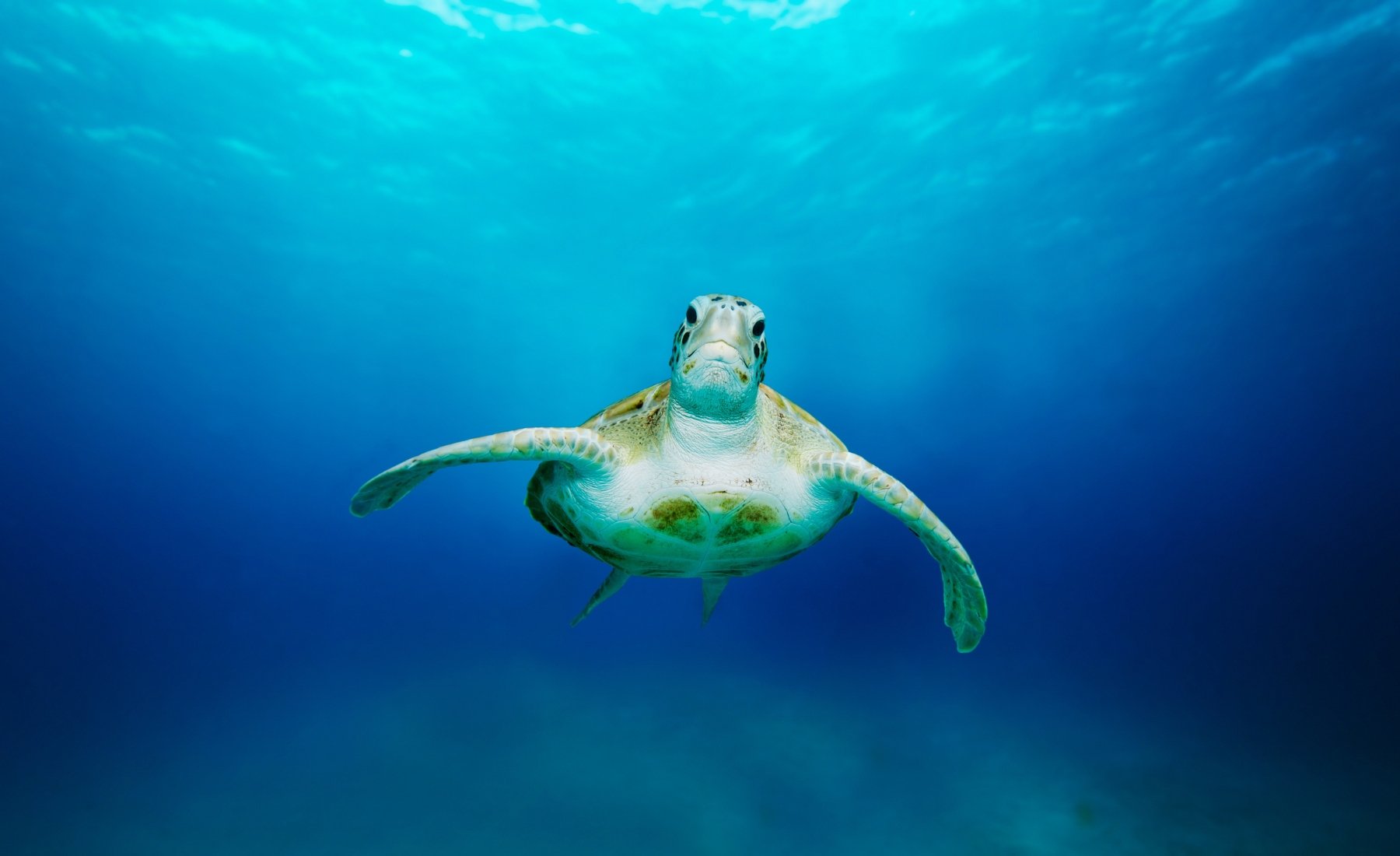
1. Carlisle Bay and Paynes Bay: Swim Near Sea Turtles
Where: Carlisle Bay, near Bridgetown, and Paynes Bay on the west coast.
Good for: Snorkeling, sea turtles and a morning on the water.
You don’t have to travel far offshore to see sea turtles in Barbados. Some of the best places to look for them are just a short boat ride from the beach.
Carlisle Bay is one of the island’s most popular snorkeling spots. Several shallow shipwrecks have become home to colorful reef fish and other marine life, and you may spot green or hawksbill turtles swimming nearby.
Paynes Bay is another good option, especially if you want to combine a relaxed beach day with a snorkeling trip.
Many local operators offer small-boat and catamaran excursions with snorkeling equipment included, making it easy to join even if you haven’t snorkeled before.
Our tip: Book a morning excursion when the water is often calmer. Choose an operator that doesn’t feed turtles to attract them, and remember to give the animals space. They’re wild, and encounters are never guaranteed.
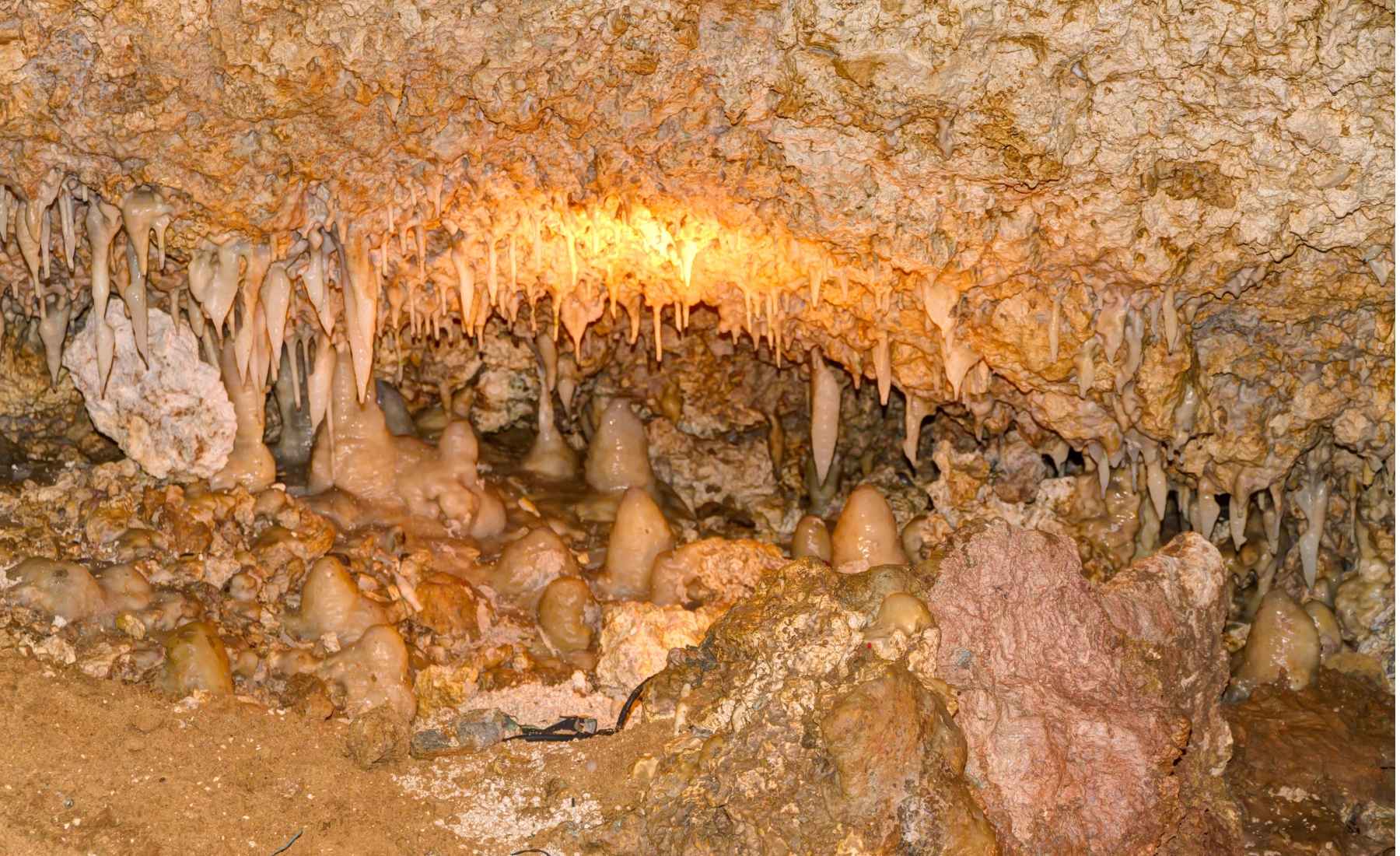
2. Harrison’s Cave: Explore What’s Beneath Barbados
Where: St. Thomas, in the center of the island.
Good for: Families, underground caves and an interesting break from the beach.
There’s a whole different side of Barbados beneath the ground.
At Harrison’s Cave, you can explore a large limestone cave system filled with rock formations, underground streams and impressive chambers.
A guided electric tram takes you through illuminated passages while your guide explains how the caves formed over thousands of years.
Along the way, you’ll see stalactites hanging from the ceiling, stalagmites rising from the ground and underground pools. The Great Hall is one of the most impressive parts of the tour.
The cave is part of an eco-adventure park, so you can also arrange other activities depending on the package you choose.
Our tip: Book your tour ahead of time, especially during the busy winter months. Harrison’s Cave is close to Welchman Hall Gully, making it easy to visit both on the same day.
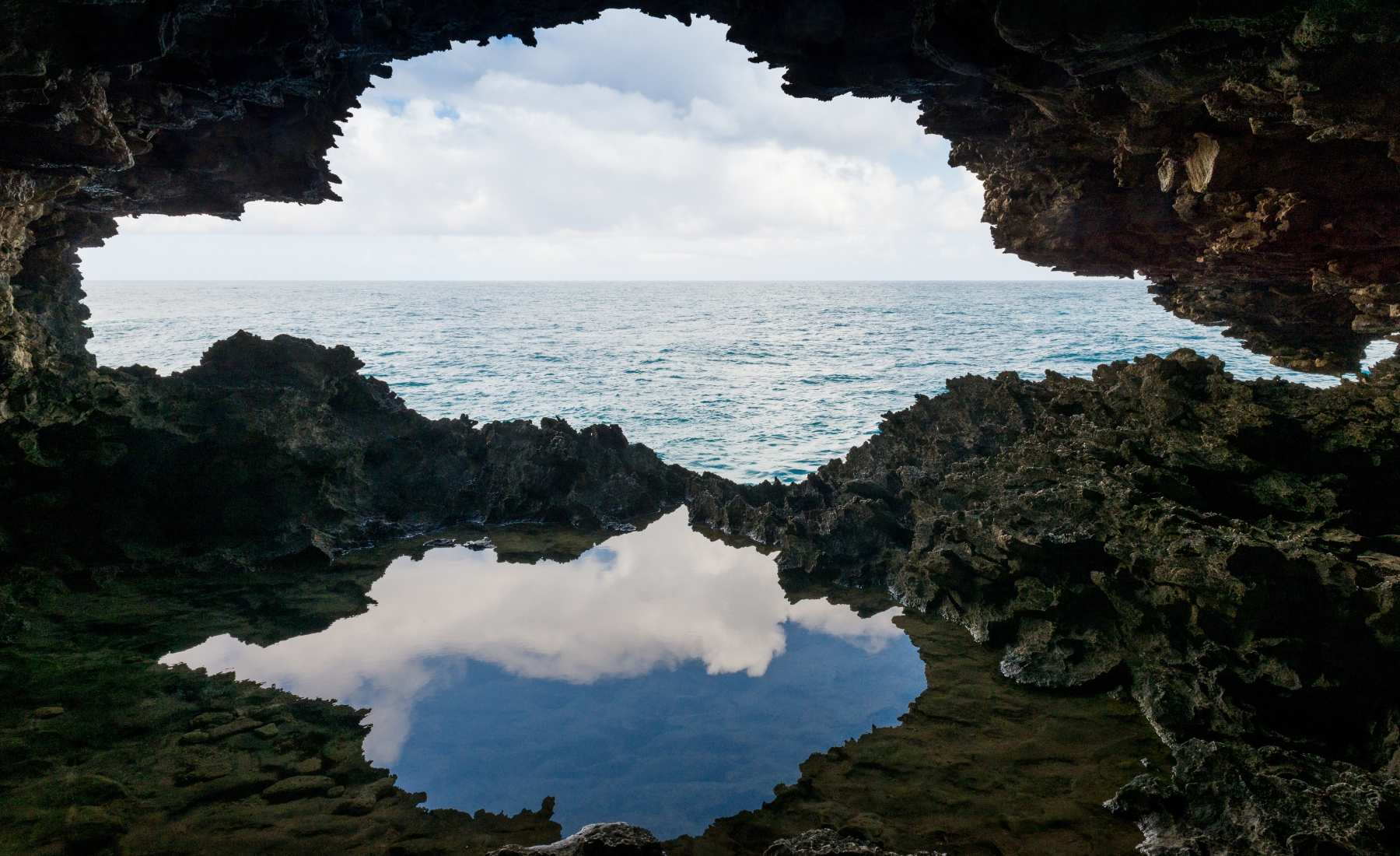
3. Animal Flower Cave: A Cave With an Ocean View
Where: North Point, St. Lucy, at the northern tip of Barbados.
Good for: Coastal views, photography and a little adventure.
If you’re planning a scenic drive around Barbados, the northern tip of the island is worth including.
Here you’ll find Animal Flower Cave, a natural sea cave set into the cliffs overlooking the Atlantic.
Inside, large openings in the limestone frame views of the ocean. There are also natural rock pools, and on calm days, visitors may be allowed to swim in one.
The cave gets its name from the sea anemones, sometimes called animal flowers, that were once found in its pools.
The surrounding coastline is just as interesting. Strong Atlantic waves crash against the cliffs, and the views are very different from the sheltered west coast.
There’s also a restaurant nearby, making North Point a good place to stop for lunch.
Our tip: Check sea conditions before visiting. Access to the cave and swimming depend on the weather and waves. Wear shoes with good grip, and bring a swimsuit if you’d like to swim.
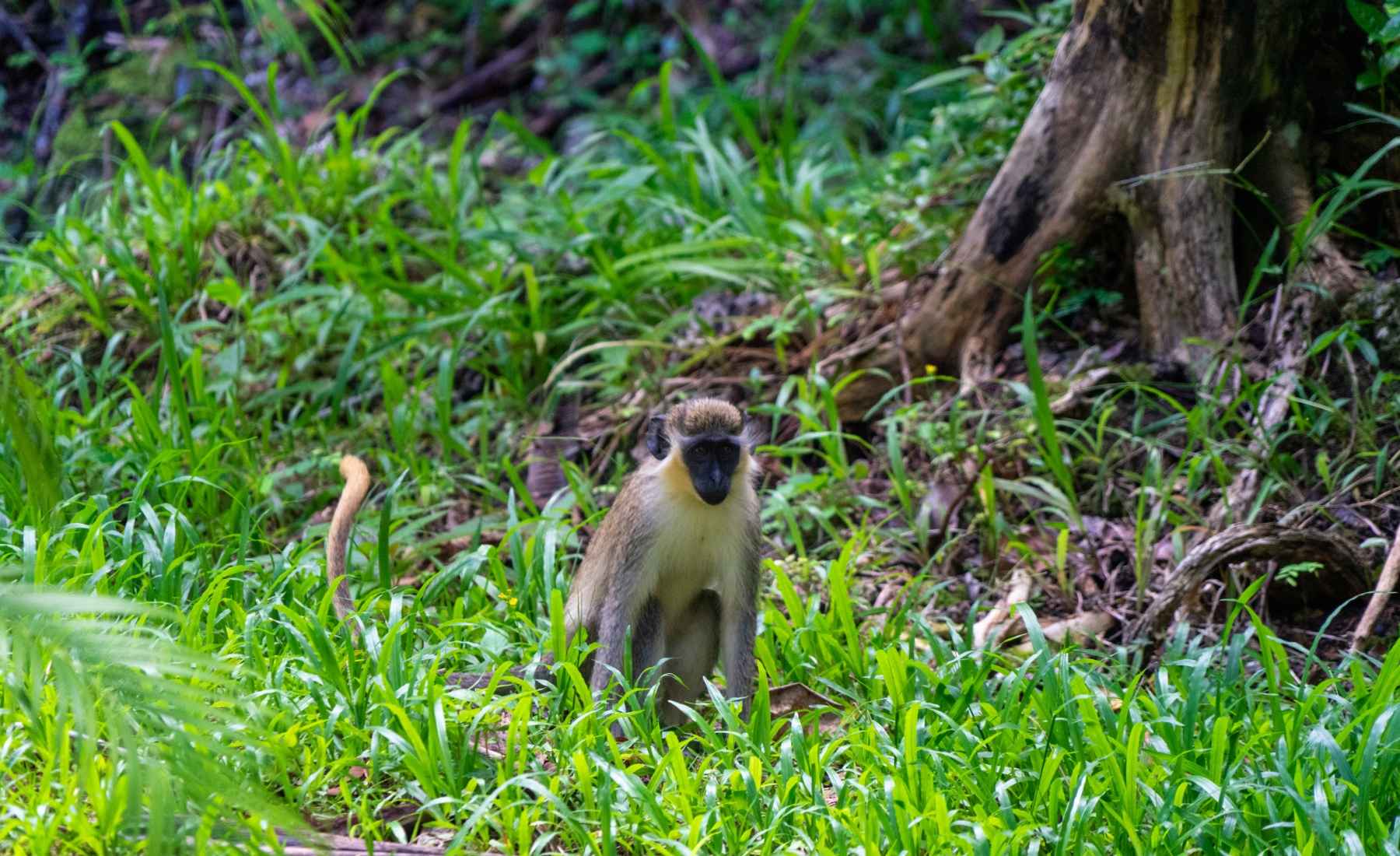
4. Green Monkeys and Tropical Gullies: Barbados’ Wilder Side
Where: Barbados Wildlife Reserve in St. Peter and Welchman Hall Gully in St. Thomas.
Good for: Wildlife watching, nature walks and families.
Green monkeys are part of everyday life in some parts of Barbados. You might spot one crossing a road or sitting in a tree while driving through the countryside.
Their ancestors arrived from West Africa centuries ago, and today the monkeys live in wooded areas across the island.
If you’d like a better chance of seeing them, visit Barbados Wildlife Reserve. Monkeys roam through the wooded park alongside tortoises and other animals. The afternoon feeding period, usually around 2 p.m., is a popular time to visit.
Welchman Hall Gully offers a different experience. A shaded walking path leads through a limestone ravine filled with tropical plants, vines and tall trees.
Wild monkeys sometimes gather near a feeding platform in the late morning, usually between 10:30 a.m. and noon.
Even if the monkeys don’t appear, the gully is worth visiting for its peaceful surroundings and tropical vegetation.
Barbados is also home to the tiny Barbados threadsnake, one of the world’s smallest snakes. Researchers rediscovered the species in 2025 after nearly two decades without a confirmed sighting. You’re very unlikely to see one, but it’s an interesting part of the island’s wildlife story.
Our tip: Visit Welchman Hall Gully in the morning, then continue to nearby Harrison’s Cave. Check current feeding times before going, and never touch or feed the monkeys yourself.
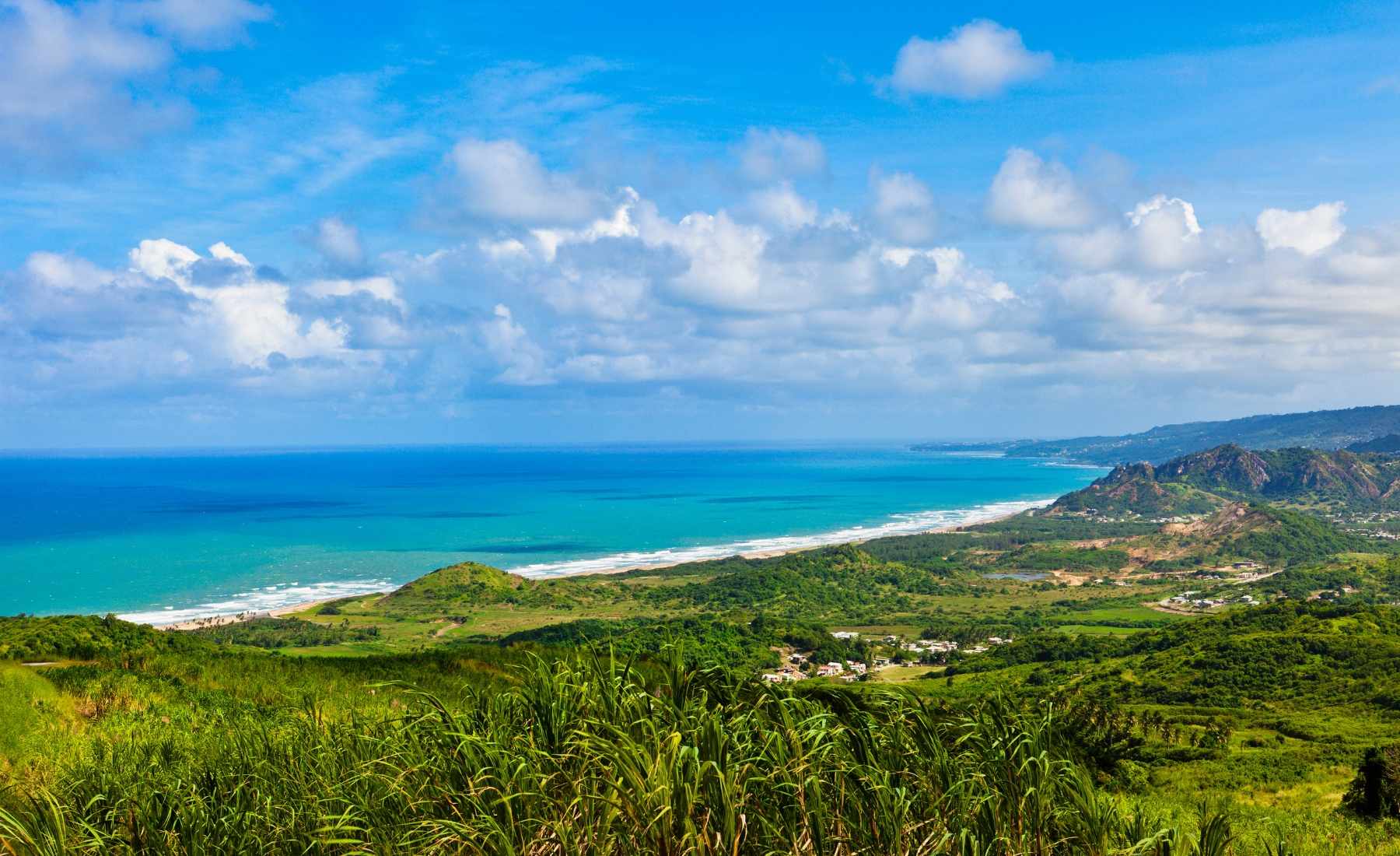
5. The East Coast: See a Different Side of Barbados
Where: Cherry Tree Hill in St. Andrew and Hackleton’s Cliff in St. Joseph.
Good for: Scenic drives, photography and coastal views.
If you’ve spent most of your time on the west coast, take a day to explore the eastern side of Barbados.
The scenery changes quickly. Instead of sheltered bays, you’ll find rolling green hills, rugged cliffs and Atlantic waves breaking along the shore.
Much of this landscape belongs to the Scotland District, where older rock formations create a different landscape from the limestone-covered parts of the island.
Cherry Tree Hill is one of the best-known viewpoints. The road passes through a shaded avenue of trees before opening up to a beautiful view across the hills and coastline.
It’s close to St. Nicholas Abbey, so you can easily combine both stops.
Hackleton’s Cliff offers another wide view across the countryside toward the Atlantic.
If you continue toward Bathsheba, you’ll find large rock formations just offshore and some of the island’s most photographed coastal scenery.
Our tip: Allow at least half a day to explore the east coast, especially if you enjoy photography. Be careful around the water at Bathsheba, where currents and waves can be strong. Many parts of this coast aren’t suitable for casual swimming.
For more coastal ideas, see our guide to the best beaches in Barbados.
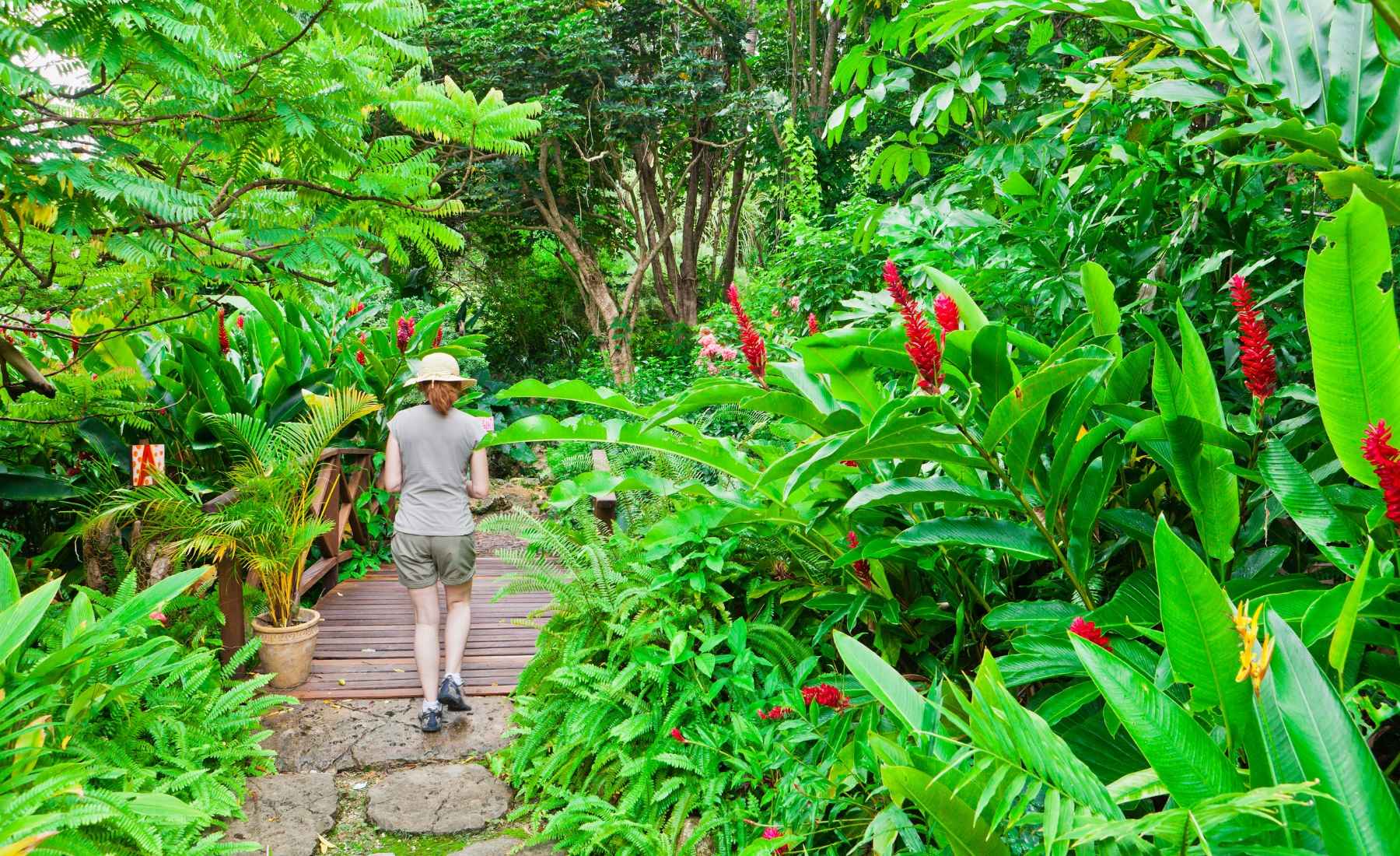
6. Tropical Gardens: Enjoy Barbados’ Green Side
Where: Central and eastern Barbados.
Good for: Nature walks, colorful flowers and a quieter morning.
Barbados is surprisingly green once you head inland, and its botanical gardens are lovely places to spend a couple of hours.
Hunte’s Gardens, in St. Joseph, is set inside a sheltered limestone hollow. Paths wind between palms, flowering plants and thick tropical greenery.
Andromeda Botanic Gardens, near Bathsheba, has a different atmosphere. Created by Barbadian horticulturist Iris Bannochie, the gardens feature a wide collection of tropical plants, with views toward the Atlantic.
Flower Forest, in the central highlands, offers walking paths, tropical flowers and views across the countryside.
Each garden has its own character, so there’s no need to visit all three unless gardening is a particular interest.
Our tip: Choose a garden that fits your driving route. Hunte’s Gardens or Flower Forest work well with a trip through the central hills, while Andromeda is an easy addition to an east-coast drive. Check opening hours before visiting.
A Few Things to Know Before You Go
Wildlife sightings aren’t guaranteed. Turtles and monkeys are wild animals, so there’s always an element of luck, even at popular viewing spots.
Bring comfortable shoes. Cave floors, coastal viewpoints and garden paths can be uneven or slippery.
Respect the wildlife. Never feed, touch or chase turtles, monkeys or other animals. Choose responsible guides who allow animals to behave naturally.
Be careful on the east coast. Strong Atlantic waves and currents make many beaches unsuitable for swimming.
Planning Your Barbados Nature Trip
Barbados is small enough to explore by car, but grouping attractions by area will save you time.
Bridgetown and the west coast: Start with Carlisle Bay or Paynes Bay for snorkeling and a chance to see sea turtles.
Central Barbados: Combine Harrison’s Cave with Welchman Hall Gully. Add Hunte’s Gardens or Flower Forest if you have extra time.
Northern Barbados: Visit Animal Flower Cave and Barbados Wildlife Reserve on the same day.
East coast: Plan a scenic drive through Cherry Tree Hill, Hackleton’s Cliff and Bathsheba, with a possible stop at Andromeda Botanic Gardens.
A rental car gives you flexibility, but guided island tours are a good alternative. Remember that driving in Barbados is on the left, and some inland roads are narrow and winding.
Getting to Barbados
Grantley Adams International Airport (BGI) is the main international airport serving Barbados, located on the southern side of the island.
interCaribbean Airways connects Barbados with destinations across the Caribbean, making it easy to include the island in your regional travel plans.
Planning a visit? Explore our Barbados destination guide and check available flights before arranging your activities.
There’s plenty to enjoy along the coast, but give yourself at least a day to discover what Barbados has to offer beyond its beaches.